Herbes de Provence
Herbes de Provence is a dried herb blend associated with the cooking of south-eastern France. There is no single standardised recipe; compositions vary between producers, households and regions. The core components found in most versions include thyme, savory (Sarriette — Satureja montana), rosemary and oregano. Lavender flowers are sometimes included, though this is a more recent and commercially driven addition. Marjoram and bay leaf appear in some regional versions.
The blend is used dry, added to grilled meats, roast vegetables, tomato-based sauces, and dishes cooked in the oven. It is added at the beginning or middle of cooking rather than as a finishing herb, since the dried components require heat to release their aromatic compounds fully.
In France, a standardised definition of herbes de Provence does not exist at the national regulatory level. Commercial blends sold under this name are required only to contain aromatic herbs — the specific composition is at the producer's discretion.
Bouquet Garni
The bouquet garni is a bundle of herbs tied together or enclosed in cheesecloth and used to flavour stocks, braises, stews and poaching liquids. It is removed before serving. The classic French composition is:
- Thyme (one or two sprigs, fresh or dried)
- Bay leaf (Laurus nobilis — one or two leaves)
- Flat-leaf parsley stalks (three to five)
Variations add rosemary for lamb dishes, celery leaf for vegetable broths, or tarragon for chicken. The rationale is consistent: the bundle infuses during long, slow cooking and is practical to remove cleanly at the end.
The bouquet garni is codified in classic French cuisine manuals including those of Auguste Escoffier, where it appears as a standard element in stocks, consommés and braised preparations. It is used across all French regions, though the specific herbs included shift with local availability.
Thyme (Thymus vulgaris)

Thyme is arguably the most versatile culinary herb in the French kitchen. Its application spans virtually every category of savoury cooking: meat, fish, vegetables, legumes, stocks and marinades. The dried form is used throughout the year; fresh thyme is available from spring through autumn.
In Provence, serpolet (wild thyme, Thymus serpyllum) grows on hillsides and is harvested for personal use. The cultivated garden thyme is the standard supermarket and market variety elsewhere in France.
Rosemary (Salvia rosmarinus)
Rosemary has a more assertive flavour than thyme and is used in smaller quantities in French cooking. Its dominant applications are:
- Lamb — rosemary and lamb is a classic pairing in southern French cooking, particularly in the Languedoc and Provence
- Focaccia-style breads — the fougasse of Provence traditionally includes rosemary
- Marinades for grilled meats
- Roasted root vegetables
Rosemary is rarely used in cream sauces or with fish in traditional French cooking, where its resinous note is considered too dominant for more delicate preparations.
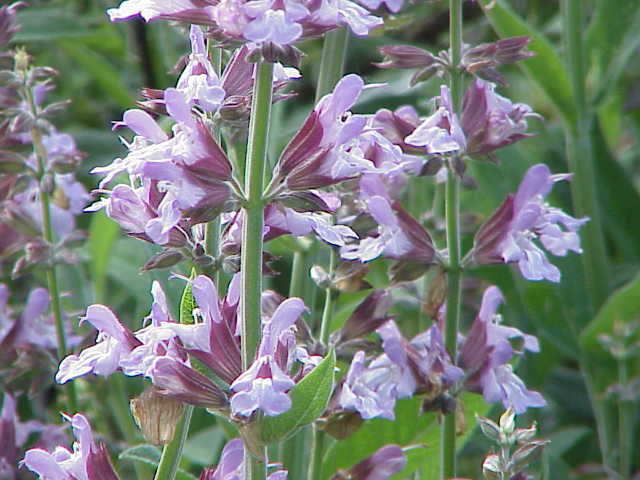
Sage (Salvia officinalis)
Sage is less central to French cuisine than to Italian, but it has consistent presence in specific preparations. Beurre de sauge — sage butter — is used in south-eastern France, particularly in the Savoie and Franche-Comté regions, with gnocchi-style dumplings and fresh pasta. Sage also appears in stuffings for poultry, in fresh sausages, and as a flavouring in certain cured pork preparations from the Alsace and Lorraine.
The leaves should be used sparingly: sage contains thujone, a compound which in significant quantities can be problematic, though normal culinary use presents no concern. The flavour of fresh sage is quite different from dried — stronger, less musty.
Lavender in Cooking

Culinary lavender is a more restricted application than its prevalence in the Provençal landscape might suggest. The flowers of Lavandula angustifolia are used in small amounts — too much produces a soapy or medicinal taste. Applications include:
- Honey infusions — lavender honey from Provence is a documented artisanal product
- Shortbread and biscuits — the flowers add a floral note to butter biscuits
- Lamb glazes and marinades — typically combined with other herbs to moderate the floral intensity
- Infusions and tisanes
The lavandin (Lavandula × intermedia) used in commercial fragrance production is not suitable for cooking — it has a higher camphor content and an unpleasant medicinal taste when heated.
Mint and Herbal Infusions
Mint (Mentha spp.) holds a different culinary position in France than in British or Middle Eastern cooking. It is not a standard ingredient in savoury French dishes and does not appear in classic French sauces. Its primary culinary role is in cold preparations: mint tisane, cold drinks, and occasionally in salads in the south. Peppermint and spearmint teas (tisane de menthe) are widely consumed, particularly as a digestive.
Herb Use by Region
| Region | Characteristic Herbs | Notes |
|---|---|---|
| Provence / PACA | Thyme, rosemary, lavender, savory, oregano | Herbes de Provence origin; wild harvesting still common |
| Bretagne | Parsley, chives, tarragon | Mild herbs suit seafood and cream-based preparations |
| Alsace | Parsley, chervil, tarragon, sage | Influence of German culinary tradition; sage used in charcuterie |
| Basque Country | Flat-leaf parsley, thyme, espelette pepper (not an herb) | Parsley dominant in most preparations |
| Savoie | Sage, thyme, mountain savory | Sage used with pasta and fondue accompaniments |