When to Harvest
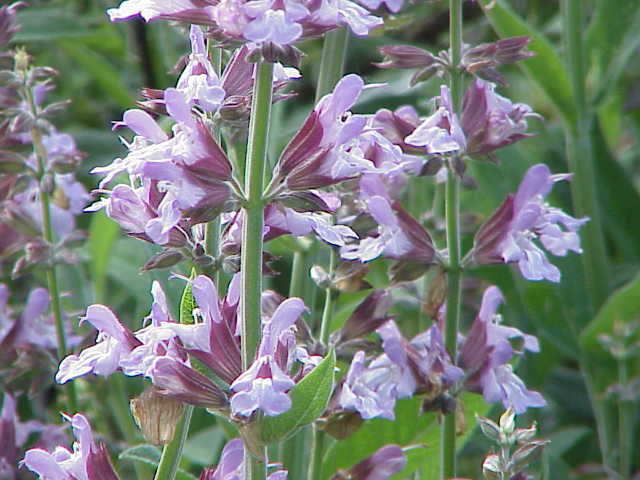
Timing the harvest correctly is as important as the drying method itself. For leafy herbs such as thyme, sage, rosemary and oregano, the highest concentration of volatile oils occurs just before or at the start of flowering. Once the plant is in full flower, energy has shifted from leaf production to seed set and the aromatic intensity of the leaves decreases.
A practical rule of thumb: harvest in the morning, after the dew has dried but before the sun is at full intensity. This is when essential oil content in the leaves is at its daily peak. In France, the harvesting window for summer herbs (thyme, lavender, oregano) typically falls between June and August.
Lavender for drying should be cut when approximately half the flowers on each spike are open. Cutting too early reduces fragrance; cutting when fully open risks petal loss during drying.
Air-Drying
Air-drying is the oldest and most practical method for most aromatic herbs. The requirements are:
- Good air circulation (not a sealed cupboard)
- Low humidity — ideally below 60% relative humidity
- Shade or indirect light — direct sun degrades colour and aromatic compounds
- Temperature between 20°C and 30°C
Tie stems loosely in small bundles of five to ten stems each. Large bundles dry unevenly — the interior of the bundle stays damp longer, increasing the risk of mould. Hang upside down from a beam or hook. In traditional French farmhouse preservation, attic spaces and open barns have long been used for this purpose.
Drying time varies from five days for thyme and rosemary to two weeks or more for sage and mint, depending on humidity and air movement. The herb is ready when the leaves are completely crisp and crumble when rubbed between the fingers.
Oven Drying
Oven drying is faster but carries higher risk of quality loss. The critical temperature ceiling is approximately 40°C for most aromatic herbs. Above this, volatile oils — which carry the characteristic scent and flavour — begin to evaporate or degrade more rapidly than they would in cool air.
If using an oven, spread herbs in a single layer on a wire rack, set the oven to its lowest setting (typically 50–60°C in domestic ovens, which is already above the ideal), and prop the door open slightly to allow moisture to escape. Check every 30 minutes. Total drying time is typically one to three hours.
Oven drying is more suitable for herbs used primarily for flavour intensity in cooked dishes (thyme, oregano, bay) than for those where the fresh aromatic quality matters more (basil, lemon verbena).
Freeze-Drying and Freezing
Freeze-drying achieves the best retention of aromatic compounds and colour, but requires specialist equipment not typically available to home growers. Some producers in the southern French herb industry (notably in Drôme and Var) use freeze-drying for premium-grade lavender and aromatic herb products.
Simple freezing is a viable alternative for soft-leaved herbs such as parsley, chives, basil and mint. Pack cleaned, roughly chopped herbs into ice-cube trays with a little water or olive oil, freeze, and store in sealed bags. The texture will be lost, but flavour compounds are largely preserved. This method is not suitable for the woody Mediterranean herbs (thyme, rosemary, sage), which are better air-dried.
Storage After Drying
Once completely dry, herbs should be stored promptly to prevent reabsorption of atmospheric moisture, which softens the leaves and accelerates deterioration.
| Herb | Preferred Method | Expected Storage Life | Best Container |
|---|---|---|---|
| Thyme | Air-dry | 12–18 months | Dark glass jar, sealed |
| Lavender | Air-dry (hanging) | 12 months (fragrance) | Paper bag or linen sachet |
| Sage | Air-dry | 12 months | Dark glass jar, sealed |
| Rosemary | Air-dry | 12–24 months | Dark glass jar, sealed |
| Mint | Air-dry or freeze | 6–12 months | Dark glass jar or freezer bag |
| Oregano | Air-dry | 12–24 months | Dark glass jar, sealed |
Light exposure is the single largest factor in storage degradation — dried herbs kept in clear glass jars on a sunlit shelf will lose colour and intensity within weeks. Dark glass or opaque ceramic containers, kept in a cupboard away from the hob, extend shelf life considerably.
Signs of Deterioration
Dried herbs past their best do not become harmful, but their practical value in cooking decreases. Indicators of significant quality loss include:
- Loss of green colour, fading to grey or brown
- No discernible scent when rubbed between the fingers
- A dusty, flat smell rather than the characteristic aromatic note
- Presence of any moisture or clumping (suggests rehydration and possible mould risk)
Craft and Household Uses of Dried Herbs
Beyond the kitchen, dried aromatic herbs have established uses in French craft traditions. Lavender sachets (sachets de lavande) placed among stored linen are a documented practice in Provence, used to discourage fabric-damaging insects. Dried bouquets of mixed herbs — thyme, rosemary, sage — serve as decorative elements in kitchens and can be drawn from for cooking as needed. Dried mint and lemon verbena (verveine) are the basis of herbal infusions widely consumed in France as alternatives to black tea.